The marketplace revolution
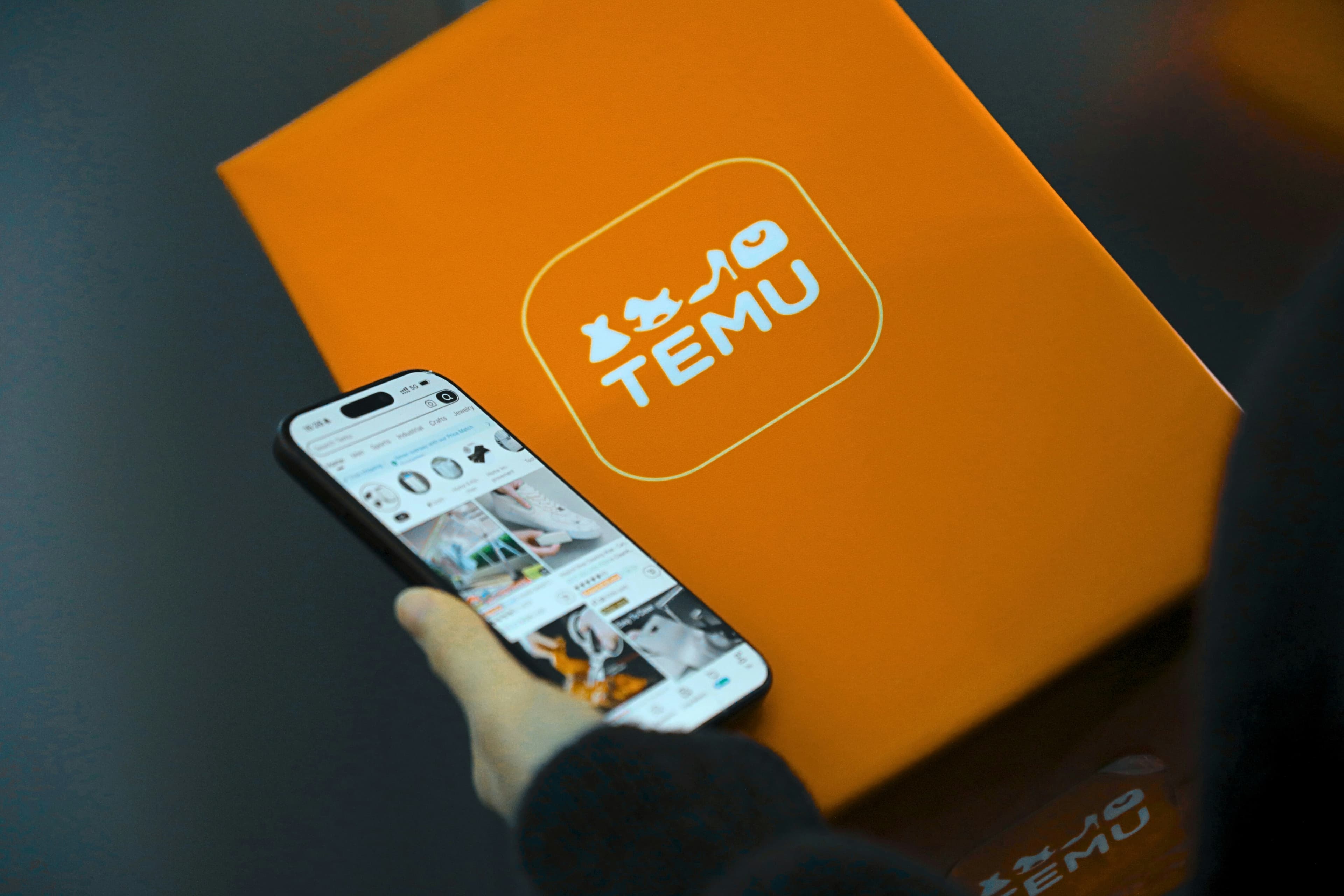
In just a few years, cross-border e-commerce platforms have redefined global retail. Companies like Temu and Shein have grown at extraordinary speed, fueled by ultra-low pricing, algorithmic advertising, gamified shopping apps, and secure international logistics.
According to The Information Technology and Innovation Foundation (ITIF), between September 2022 and September 2023, Temu’s U.S. monthly visitors surged from 5.1 million to 80.3 million. By the end of 2024, it claimed 186 million monthly active users in the United States, became the world’s most downloaded shopping app across iOS and Android, and overtook eBay as the second most-visited e-commerce website globally.
Meanwhile, Shein has embedded itself deeply into Generation Z shopping behavior. Nearly half (44%) of Gen Zers make at least one purchase on Shein monthly, according to Emarketer, making it the most popular Chinese marketplace among the demographic.
From a consumer perspective, this represents unprecedented access to low-cost goods. From a legal and economic perspective, however, it presents structural risks, particularly around counterfeiting.
The rise of fakes
Counterfeit goods are no longer just about luxury handbags sold in back alleys or dubious websites few people have heard of. Today, fake products move through the same digital marketplaces millions of consumers use every day. What was once a niche problem has become a massive global industry.
According to the OECD, the value of global trade in counterfeit goods reached an estimated $467 billion in 2021, accounting for 2.3% of total world trade. To put that in perspective, nearly one in every fifty dollars traded globally is linked to fake products.
ITIF purchased 51 products from suspicious listings on Temu, AliExpress, and Shein. Of those, 24 were assessed as likely counterfeits. The products included cosmetics, toys, pharmaceuticals, luxury items, and household goods. This is consistent with OECD findings, which show that while luxury items remain a target, counterfeiting is rapidly expanding into everyday products. The issue that used to be confined to street markets is rapidly evolving into an everyday reality for brands and consumers.
Why lawsuits are increasing
The legal system is beginning to reflect this new commercial reality.
In 2025, the estate of MF DOOM sued Temu, alleging the platform allowed sellers to distribute counterfeit merchandise bearing the late artist’s name and likeness. Shortly thereafter, Twenty One Pilots filed a similar lawsuit, accusing Temu of selling “blatant copies” of its official merchandise.
In the fashion sector, Tapestry, parent company of Coach, sued Shein for alleged trademark infringement and false advertising, claiming products were marketed in ways that could suggest affiliation or authenticity.
The surge in litigation reflects two structural shifts:
Merchandise and branded goods have become more economically important than ever.
The digital infrastructure enabling counterfeit distribution has become more sophisticated and scalable.
The legal tension: marketplace or merchant?
At the heart of many lawsuits is a fundamental legal question: Are platforms merely intermediaries, or do they function as sellers?
Marketplaces argue they provide infrastructure such as storefront hosting, payment processing, fulfillment services, but do not own or manufacture the goods sold by third parties. They point to notice-and-takedown systems as evidence of good faith compliance.
Most large platforms operate intellectual property reporting systems:
Amazon Brand Registry
eBay VeRO Program
Temu IP Protection Portal
Shein IP Notice portal
These tools allow trademark owners to report suspected infringement and request removal.
However,brand owners increasingly argue that modern marketplaces exercise substantial control over product visibility, pricing algorithms,and advertising placement. If a platform shapes the transaction from beginning to end, can it still claim neutrality?
The regulatory horizon
Marketplaces thrive on speed, low barriers to entry, and scale. Brands depend on trust, exclusivity, and reputation. We are now seeing these competing logics coming into direct conflict.
Looking ahead, several forces will likely reshape the conversation. Legal action is increasingly targeting the platforms themselves, not just individual sellers, signaling a potential shift in liability that could hold marketplaces more accountable for the goods they facilitate.
Technology will also play a central role: AI-driven detection systems promise to identify counterfeit listings faster and more effectively, but they raise questions about accuracy, bias, and overreach.
Ultimately, whether brands can reclaim control over their digital marketplaces will not hinge on any single lawsuit. It will depend on a broader shift: a structural rebalancing between the rapid growth models that fuel marketplaces and the legal and ethical obligations that protect brand value and consumer trust.