If you have been using a handle for years for a legitimate business in the software field, a trademark owner from a completely different industry (e.g., music, food, clothing) cannot legally force you to give up your handle simply because they registered the name later.
Social media platforms like Facebook and Instagram operate on a "First-Come, First-Served" basis. They generally will not remove a username from a legitimate, prior user unless there is clear evidence of impersonation or bad faith (e.g., you are trying to trick people into thinking you are them).
However, you must take specific steps to ensure your account doesn't look "dormant" or "misleading," which are the two main loopholes aggressive trademark owners use to seize handles.
1. The core rule: first come first served and trademark priority
How platforms assign usernames
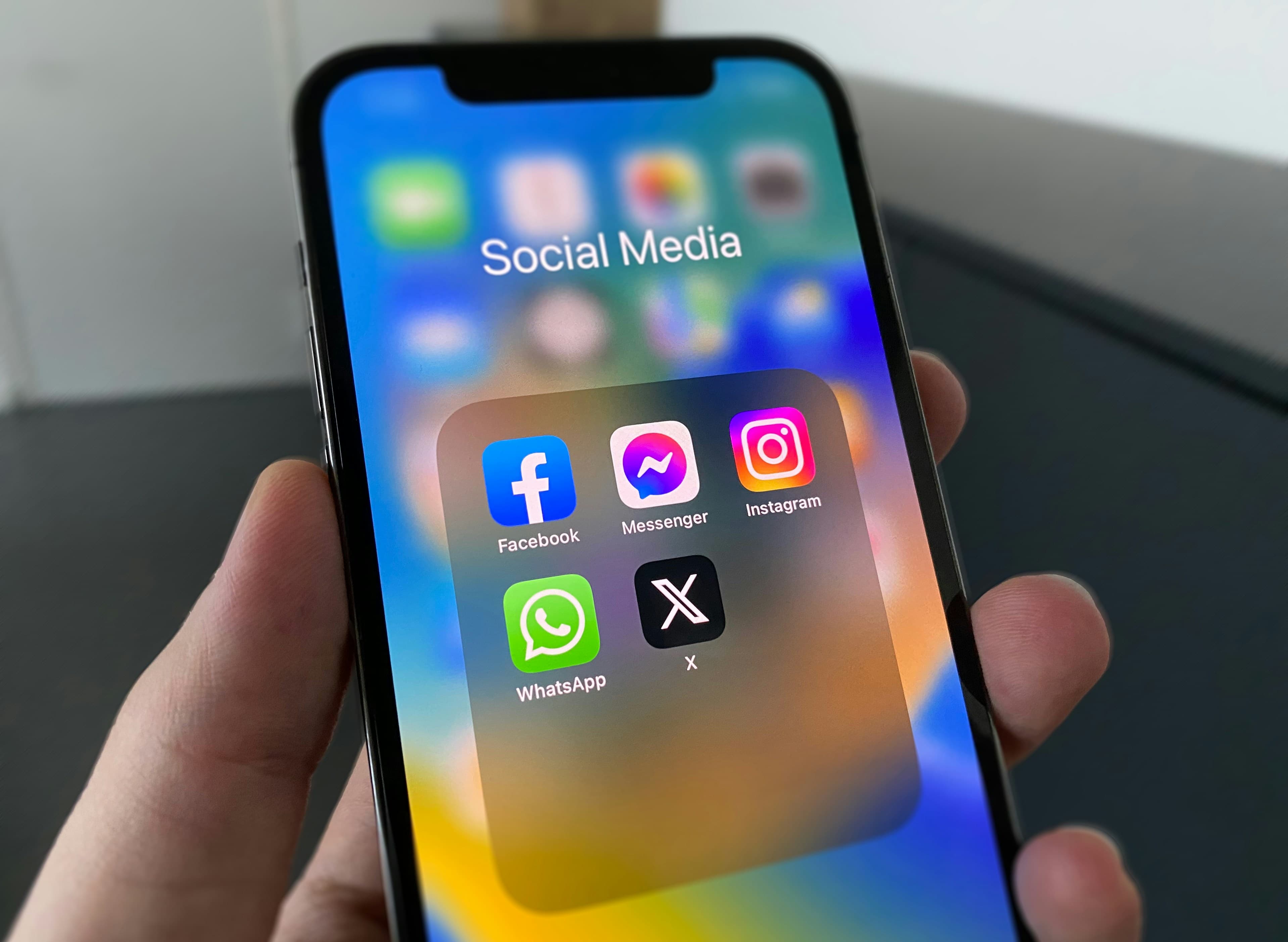
Facebook, Instagram, and X publicly state that usernames are claimed by whoever obtains them first. A later trademark registration does not override this rule.
How trademark priority works
Trademark rights are based on priority. If you used the name in commerce before the trademark owner filed their application, you are considered the senior user. The new trademark owner is the junior user and cannot push you out, especially when you operate in a different industry.
Why industry matters
Trademarks are registered by class. A trademark for the name Konstantin in the music industry does not grant the owner exclusive control of the name in the software industry. If consumers are unlikely to confuse your services with theirs, there is no infringement and no basis for a platform to remove your handle.
2. When can they take your handle?
Even if you are in the right, aggressive registrants may try to use platform reporting tools to claim your handle. They usually rely on two arguments:
Scenario A: "Trademark Infringement" (Impersonation)
Their Argument: "This user is confusing our customers."
Your Defense: You are in a different industry.
Risk: If your bio is vague or empty, a moderator might just look at the name and assume infringement.
Solution: Make your bio explicitly clear about what you do. (e.g., "Software Development and Open Source Projects. Not associated with the music artist.")
Scenario B: "Squatting" (Inactivity)
Their Argument: "This user is inactive/squatting on the username."
The Policy: Platforms will reclaim usernames that appear abandoned.
Your Defense: You must show active use.
Risk: If you haven't posted in 6 months, you look dormant.
Solution: Log in regularly. Post occasionally, even if it's just a status update. Ensure your contact info (email) is up to date so you don't miss warnings.
Facebook & Instagram specific policies
Both platforms (owned by Meta) have similar enforcement protocols:
They do not adjudicate disputes: If the situation is complex (e.g., you both have legitimate claims), Meta often refuses to intervene and tells the parties to resolve it in court. This is good for you—it means they won't automatically hand over your handle just because the other person has a registration certificate.
Requirement for Takedown: The claimant must usually prove that your account is misleading users.
Verified Badge: If the other party is "Verified" (Blue Check), their reports might get faster attention, but it does not give them legal right to your property.
4. Strategic Recommendations for Protection
To "bulletproof" your current handles against an aggressive claim:
1. Clarify your bio:
Immediately update your bio to describe exactly what you do (Software/Tech).
Pro-move: Add a disclaimer: "Est. 2015. Independent Software Studio." This creates a timestamp in the public view.
2. Link your accounts:
Ensure your social handles link back to your official website, GitHub, or repository. This proves "commercial use" and legitimacy.
3. File your own trademark (defensive):
As discussed in the previous query, filing your own trademark in Class 42 (Software) is the ultimate shield.
If the other party reports you, you can simply upload your own trademark filing receipt. This usually stops the platform's automated takedown process immediately because it shows a "valid dispute" exists, causing them to back off.
4. Monitor your inbox:
Social media support emails often go to spam. Check regularly. If you miss a "Trademark Complaint" notice and don't reply within 48-72 hours, they may default judgment against you and transfer the handle.
Summary table: Can they take it?
Scenario | Result | Why? |
|---|---|---|
You used it first + Different Industry | Safe | No likelihood of confusion; you have priority. |
You used it first + Same Industry | Risk | They might argue "reverse confusion" if they are famous, but you still have common law rights. |
Account is Empty / Inactive | High Risk | They can claim "squatting" regardless of industry. |
You have a Trademark Registration | Very Safe | Platforms will almost never touch a handle owned by a registered trademark holder. |