A pattern of oppositions far beyond energy drinks
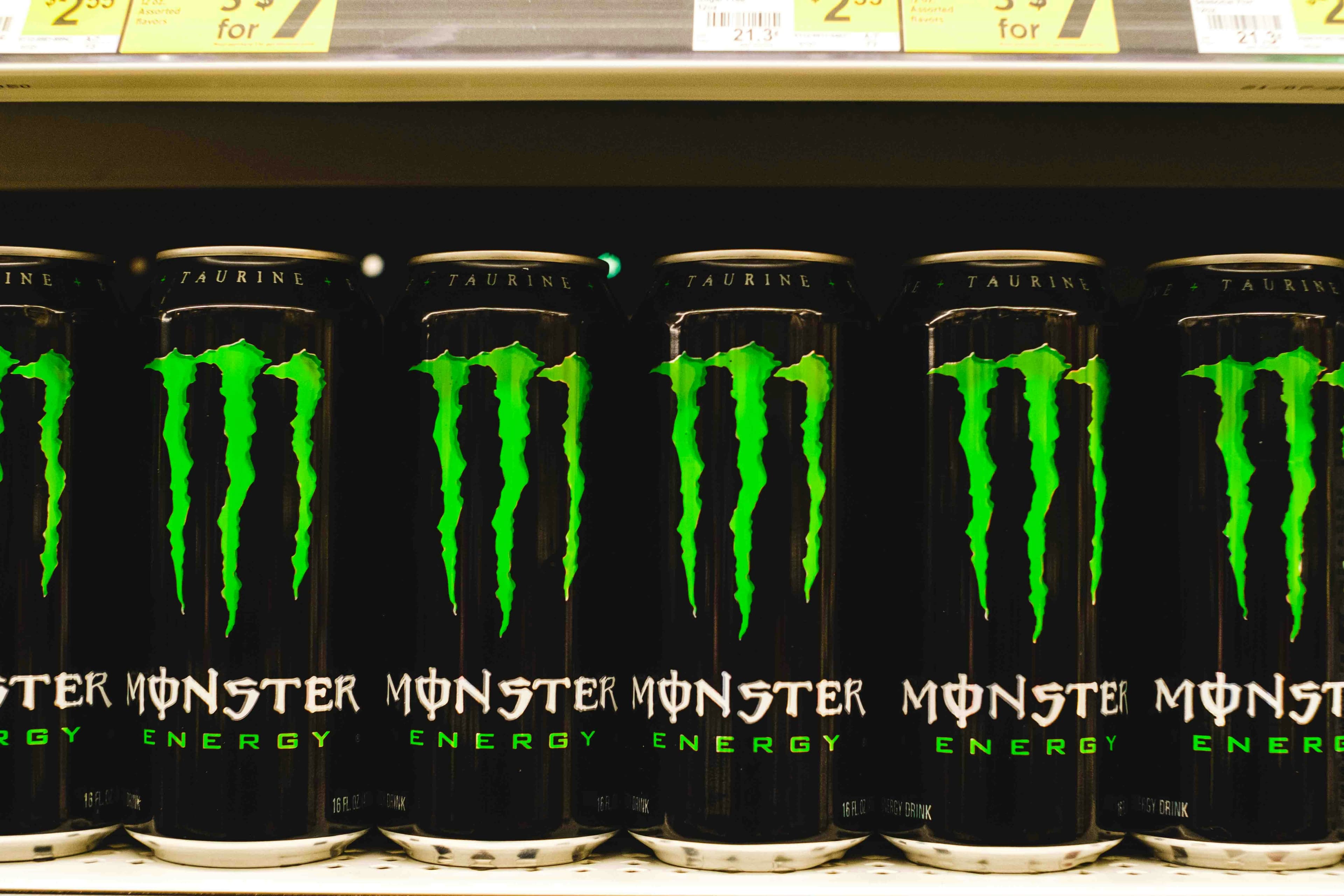
Monster Energy has built a powerful global brand in the energy drink sector. Its claw-mark logo and black-and-green branding are instantly recognizable. It sponsors extreme sports, gaming, and music events. It owns dozens of trademark registrations around the world.
But alongside that success, Monster has also become known for aggressively challenging other companies that use the word “monster,” even when those companies have nothing to do with energy drinks.
If you visit the United States Patent and Trademark Office’s Trademark Trial and Appeal Board (TTAB) Inquiry System and search for cases filed by Monster Energy Company, you will find page after page of oppositions and cancellations.
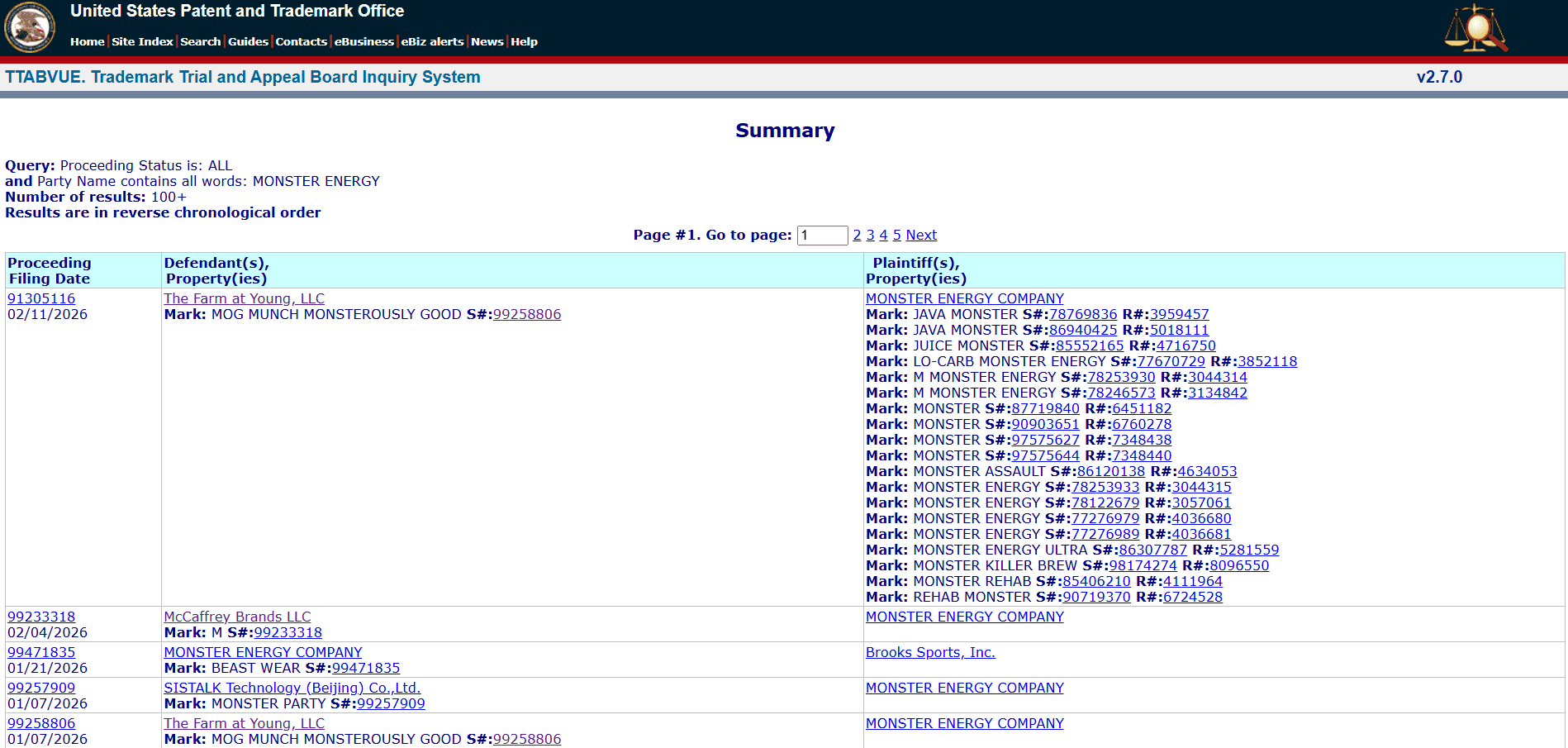
Beauty products, clothing companies, computer games, even roofing services. In many cases, the only apparent connection is the use of the word “monster,” “beast,” or something similar. Monster’s strategy appears consistent: object early, object broadly, and object often.
From a corporate perspective, the logic is understandable. The company has built enormous brand recognition around the word “Monster” in connection with energy drinks. If consumers start seeing that word everywhere, the distinctiveness of the brand could arguably weaken.
But trademark law does not grant ownership of dictionary words in the abstract. Rights are tied to specific goods and services, and confusion must be likely, not merely possible. Yet time and again, Monster has pushed that boundary resulting in a chain of unusual disputes.
Monster Energy vs Pokémon
In 2022, Nintendo, Creatures Inc., and Game Freak, the companies behind the globally known Pokémon franchise, filed a Japanese trademark application for the word mark “POCKET MONSTERS.” The application covered a wide range of goods and services, including tea, coffee, and cocoa-based beverages in Class 30.
“Pocket Monsters” is the full name from which “Pokémon” is derived. The brand has existed since the 1990s and spans video games, films, television series, merchandise, and trading cards.
The opposition from Monster Energy was brought under Article 4(1)(vii) and (xv) of the Japan Trademark Law and relied on Monster’s earlier registrations incorporating “MONSTER” and “MONSTER ENERGY.” Monster argued that the inclusion of the word “MONSTER” in “POCKET MONSTERS” created an association with its brand, particularly in relation to beverage products.
Monster Energy vs. Fishing gear
In 2022, Monster Energy Company filed a complaint in the U.S. District Court for the Central District of California against Justin Fricke and Ryan Lee, doing business as Slimecat Rods, a company engaged in the manufacture and sale of fishing rods and related fishing equipment.
According to the complaint, Monster relied on numerous federal trademark registrations incorporating the word “Monster,” as well as its distinctive brand aesthetic. The company asserted that the defendants’ logo stylization and color scheme created a similar commercial impression and that both brands marketed to overlapping lifestyle audiences.
Monster Energy vs. K-POP
YG Entertainment, the South Korean label behind the K-pop girl group BabyMonster, applied to register “BabyMonster” and “BabyMonsters” as trademarks in Singapore in 2020 and 2021. Monster Energy filed formal oppositions to those applications.
The dispute proceeded before a Singapore intellectual property adjudicator, resulting in a written decision dated December 29, 2023. Public records show that Monster has filed at least 52 notices of opposition with the Intellectual Property Office of Singapore (IPOS) since 2012, with multiple matters proceeding to higher courts.
The bigger question
None of this suggests that Monster Energy lacks legitimate trademark rights. It clearly has strong protection for “Monster Energy” in connection with energy drinks. Courts and trademark offices have recognized that.
The issue is scope.
Trademark law is designed to prevent infringement and consumer confusion, not to give companies ownership over common words in all commercial contexts. Words like “monster” are part of everyday language. They appear in entertainment, sports, gaming, fashion, and countless other industries.
When enforcement becomes so broad that it targets fishing rods, pop groups, and long-established entertainment franchises, people begin to ask whether the strategy is about preventing confusion, or monopolizing common vocabulary.