The trademark challenge in plant-based food
For businesses launching plant-based products, naming strategy is critical. Common practice involves choosing names that reference either the animal product being replaced or the plant-based ingredient itself. Terms like “burger,” “milk,” or “cheese” communicate the nature of the product clearly to consumers, helping those motivated by ethical, religious, or health reasons to make informed choices.
However, this very clarity can work against companies in trademark registration. European Trademark Offices often reject applications for names deemed too descriptive or lacking distinctiveness. This is particularly acute in the plant-based sector, where many products are inherently defined by the animal ingredient they aim to replace.
Descriptive signals and consumer perception: lessons from MYBACON
The General Court’s decision in MYBACON (Case T-107/23) provides a clear illustration of how EU trade mark law approaches plant-based product names that directly reference meat. Myforest Foods sought to register the word mark MYBACON for fungi-based meat substitutes and prepared meals in class 29. The EUIPO refused the application under Article 7(1)(g) EUTMR, finding that the sign was liable to deceive consumers as to the nature of the goods, a position upheld by both the Board of Appeal and the General Court.
At the core of the decision was the Court’s view of consumer behaviour. Meat substitutes were treated as everyday food products, typically purchased quickly and without close examination of labels or ingredient lists. From that perspective, a trade mark itself must not create a misleading impression about the nature of the goods. Where a sign evokes a specific animal product without clear distancing elements, the risk of consumer deception is considered sufficiently serious to justify refusal.
At the same time, the outcome is not uniformly negative for plant-based brands. Companies such as Beyond Meat have successfully registered a number of trade marks in the EU by pairing meat-related terms with a strong brand element. In those cases, the word “BEYOND” was seen as adding a layer of distinction that helps signal a product that goes beyond conventional meat.
Oatly and the dairy labelling dispute
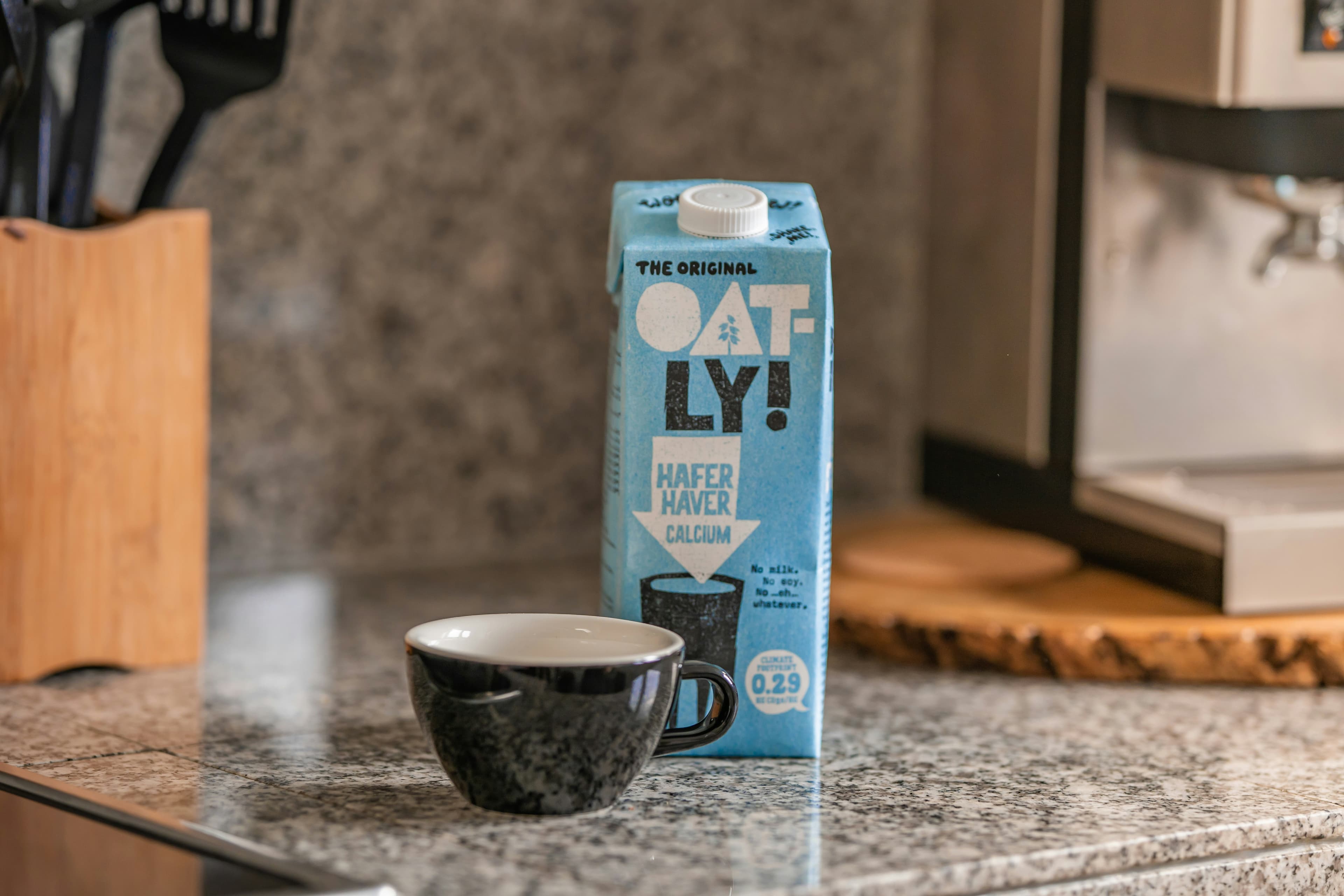
While meat analogues often face distinctiveness hurdles, plant-based milk companies confront a different challenge: EU and UK regulations restricting dairy terminology. In a major development, the UK Court of Appeal recently ruled against Oatly, invalidating its POST MILK GENERATION trademark for oat-based products. The court held that “milk” is legally reserved for products derived from mammary secretions, making the use of dairy-like descriptors on plant-based products prohibited.
This decision is a significant setback for Oatly and the wider plant-based milk sector in the UK. Although the company can appeal to the Supreme Court, the ruling effectively bars vegan brands from using terms such as “milk” on packaging, limiting marketing options and complicating consumer communication. Unlike the EUIPO’s distinctiveness challenges for meat substitutes, this restriction stems from statutory definitions designed to protect traditional dairy producers.
Implications for plant-based brands
The experiences of Beyond Meat and Oatly illustrate two key realities for plant-based brands in Europe:
Trademark protection is complex and, at times, inconsistent. EUIPO decisions on descriptive marks can be unpredictable, varying even between similar products or word combinations. Companies must weigh the commercial benefit of descriptive names against the risk of refusal.
Regulatory constraints extend beyond trademarks. Labelling rules, particularly for plant-based dairy alternatives, may restrict the use of familiar terms like “milk” or “cheese,” creating an uneven playing field relative to traditional animal-based products.
Businesses entering the plant-based sector should consider strategies such as filing for figurative marks, focusing on house marks, or seeking acquired distinctiveness through marketing and consumer recognition. Simultaneously, clear and creative labelling is essential to avoid regulatory conflicts and ensure consumers understand the nature of the product.