Caso de Estudio: Industria Home Products
Desglosando las amenazas comunes que enfrentan las marcas de productos para el hogar y estrategias para una protección efectiva de marca.
Tipos más comunes de infracción de marca para Home Products

Counterfeit products

Fake social media accounts

Fake store pages
Principales plataformas de infracción:

Amazon

AliExpress

Temu

eBay
El mercado:
El mercado de artículos para el hogar está floreciendo en plataformas de e-commerce, con Amazon viendo el 35% de sus ventas de artículos relacionados con el hogar.
De manera similar, los artículos para el hogar de Temu también representan alrededor del 35% de las ventas totales de la plataforma, mientras que la categoría de hogar y jardín de eBay contribuye al 12% de sus ventas.
Sin una presencia fuerte en estos mercados, las marcas corren el riesgo de perder visibilidad sobre cómo sus productos están siendo representados—haciendo mucho más difícil detectar y detener falsificaciones.
El problema:
Poco después de lanzar su línea de productos en Amazon, nuestro cliente comenzó a notar actividad sospechosa: nuevos listados de lo que parecía ser su producto—mismas imágenes, título similar—pero de vendedores no autorizados. Algunos estaban reduciendo significativamente su precio.
A pesar de tener una marca registrada, la marca no tenía los recursos o conocimientos para monitorear estos problemas de manera efectiva. Con capacidad limitada para rastrear a cada infractor o navegar el proceso de eliminación de Amazon, la situación permaneció sin resolver durante meses, resultando en una pérdida significativa de ingresos y confianza del cliente.
La solución:
Cuando una marca como esta se acerca a Trama, el primer paso es entender qué está pasando y cuánto daño ya se ha hecho. Así es como típicamente respondemos:
1. Detección de infracción
Comenzamos verificando el estado de tu marca para confirmar sobre qué podemos actuar. Luego, nuestro equipo busca en las principales plataformas - como Amazon, Etsy y redes sociales - para encontrar cualquier listado, perfil o tienda que esté usando mal tu marca.
2. Evaluación de amenazas
Una vez que hemos mapeado lo que está sucediendo, te explicamos claramente los hallazgos. Verás cuáles son los riesgos, de dónde vienen y qué tan serios pueden ser. Y lo más importante, tú eliges cómo responder.
3. Aplicación
Por nuestra experiencia, la combinación de Cartas de Advertencia y solicitudes de eliminación resuelve aproximadamente el 97% de los casos - a menudo sin necesidad de acciones legales adicionales. Cualquiera que sea tu decisión, nosotros manejamos los siguientes pasos por ti - asegurándonos de que cada caso tenga el seguimiento adecuado.
4. Protección continua
Una vez que las amenazas iniciales son manejadas, nos mantenemos a tu lado - monitoreando tu marca en línea y señalando nuevos problemas temprano, para que no te agarren desprevenido de nuevo.
Perfil del cliente
Productos:
Productos para el hogar
Ubicación:
UK
Descripción:
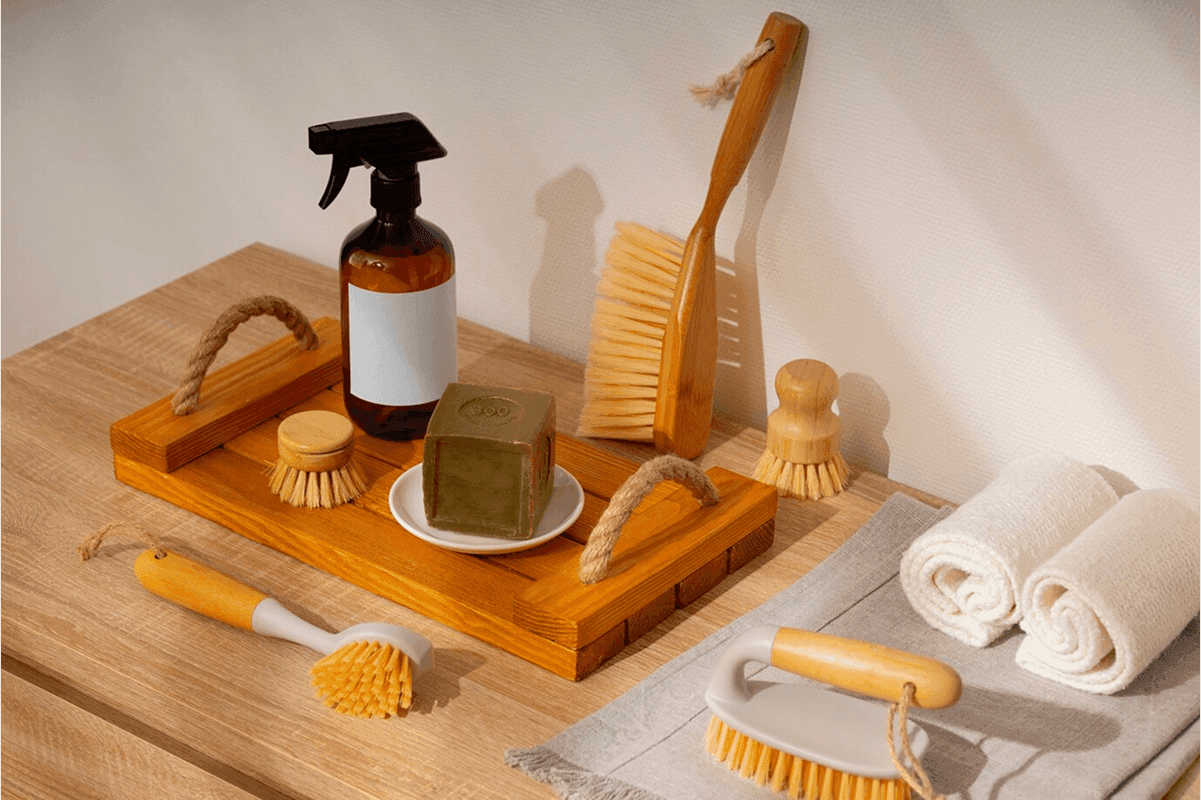
Una pequeña empresa especializada en artículos ecológicos para el hogar, como productos de limpieza y accesorios de cocina.
Tamaño de empresa:
Pequeña empresa
Servicios ofrecidos:
Monitoreo de marca
Eliminación en Amazon
Carta de advertencia

Protege tu marca
Recibe notificaciones cada vez que tu marca esté en riesgo de ser mal utilizada o copiada.
Vigilemos tu marca juntos